 English
 Deutsch
 Italia
 August 18, 2026 By admin
Celebrating the Hemis Festival
The Year of the Monkey: Celebrating the Hemis Festival
The icy, rugged desertscape of Ladakh is transformed into a riot of beautiful colours and thronging crowds every year in the summer – marking the end of the long winter with the celebration of the stunning Hemis festival.
In the courtyard of the over 300 year-old Hemis Gompa, Ladakh’s largest monastery, preparations begin in full swing to celebrate the birth anniversary of Padmasambhava, who is much revered here as the reincarnation of the Buddha.
Also known as Guru Rinpoche, Padmasambhava introduced Vajrayana Buddhism in Bhutan and Tibet – a revelation of the complete and perfect path to awakening; and establishing a way of life that is entwined with prayer and austerity.
Padmasambhave is also said to be the saviour of the people here, having fought off and ridden them of demons.
Believed to bring spiritual strength and good health, the Hemis Festival is a two day event that falls on the 10th day of the Tibetan Lunar calendar and celebrates the victory of good over evil.
In 2016 the festival is to be celebrated on the 14th and 15th of July. The year is especially significant and auspicious for the Festival since it marks the celebration of the Tibetan year of the Monkey; it only occurs every 12 years.
During the grand ceremony, an exquisitely decorated silk thangka (a sacred Buddhist painting/embroidery on silk cloth) depicting Padmasambhava and the Buddhist scriptures, is unfurled from the top storey of the Gompa.
The perfectly preserved thangka is said to be the largest in the region, and is displayed in public only during the Hemis Festival.
On the first morning of the Festival, the courtyard is filled with local residents, Buddhist pilgrims, and other visitors from all over the world.
People dress up in their finest and most colourful traditional attire, and the entire courtyard of the Gompa is filled with beautiful flowers and other decorations.
The Head Lama brings out the portrait of Padmasambhava into the courtyard for everyone to seek blessings.
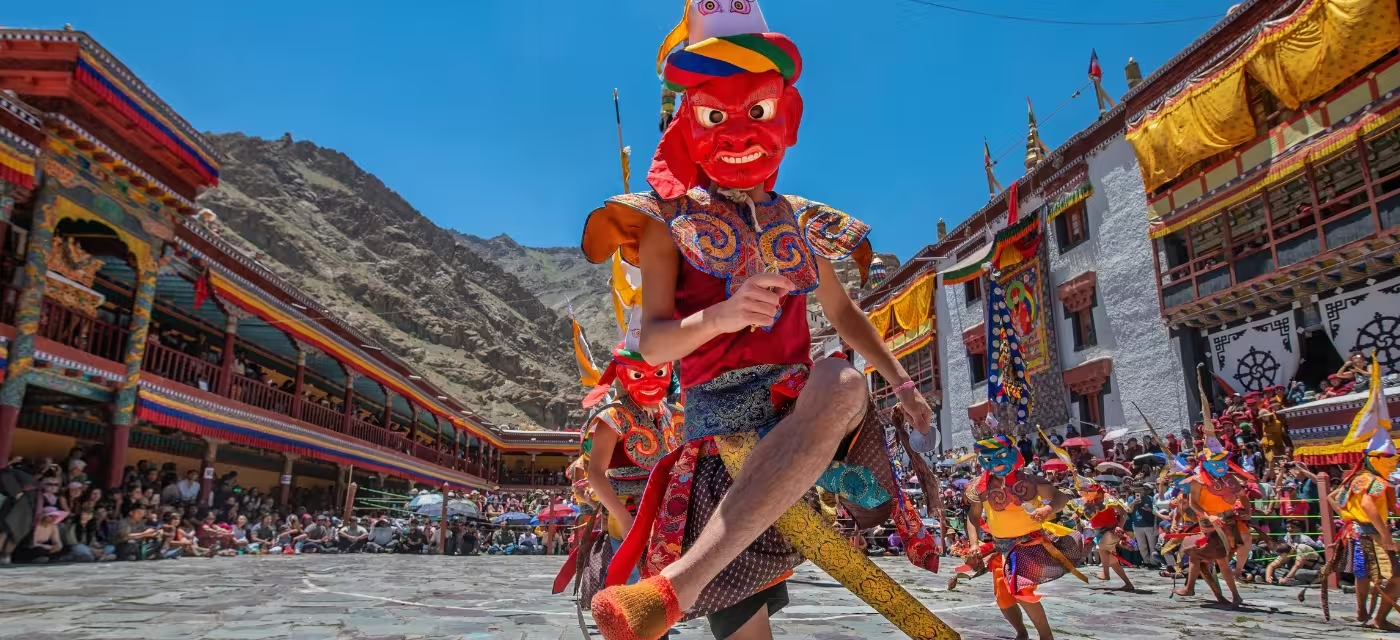
The biggest and most fascinating highlight of the Festival however, is the Mystic Masked Dance (called Chams) performed by the Lamas.
The Lamas, dressed in gorgeously coloured flowing brocades, wear splendid papier-mache masks. Each mask has its own place in Tibetan and Buddhist legends.
Symbolic of good and evil, they are designed as divine faces, animals, skeletons, and frightening demons.
The Lamas then gather around the central flagpole and dance the wonderful Chams, and also perform sacred plays – the masked dancers re-enact the valiant feats of Padmasambhava, and re-tell their ancient mythological stories and folklore depicting the triumph of good over evil.
The Dance is performed to the accompaniment of the heady rhythm and beats of large pan-drums, the loud clanging of cymbals, and the unique notes of the long horns and small trumpets.
The music starts on a slow note and quickly picks up pace as the narrative builds up to a breath taking climax when the leader of the Black Hat dance strikes down the idol (made of dough).
The crowd unites in uproarious song and dance when the dancers culminate their mesmerising performance signifying that good has finally prevailed.
Outside the Gompa, a colourful fair takes place, selling the lovely traditional handicrafts and souvenirs of the region during the Festival.
There are handwoven rugs, wall hangings, shawls, pottery, wood craft, wicker baskets, woollens, bags, postcards, prayer flags, books and numerous other trinkets that make for great gifts!
The Hemis Festival is integral to promoting Ladakh’s tourism and cultural heritage.
It is also a wonderful way for residents to celebrate and bond amongst themselves as well as connect with visitors from outside.
Related Posts