 English
 Deutsch
 Italia
- Home
- Destination
- Sri Lanka
Sri Lanka
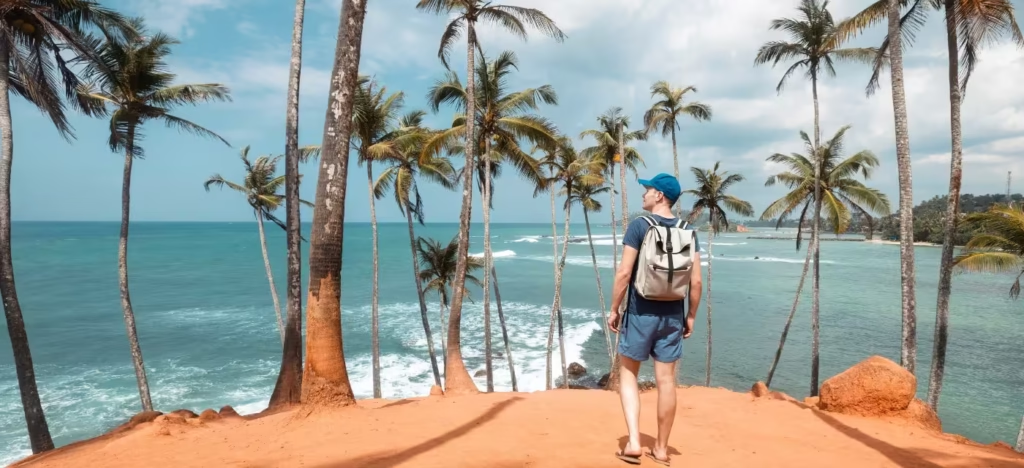
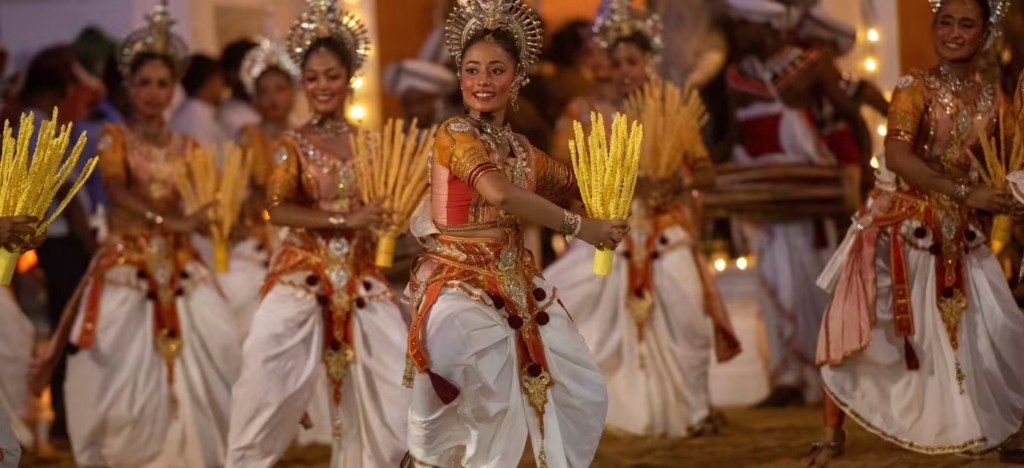
The Teardrop Island or Sri Lanka is a heart-warming place that gifts countless fond lifelong memories. The people here are easily amongst the most friendly and helpful folks in the world. The scenery borders on the surreal – pristine palm-fringed beaches, emerald forests, acres and acres of serene tea gardens, and lofty mountains together connive to cast a spell. Being a vibrant melting pot of different cultures, Sri Lanka’s social fabric is a colourful one and visitors may look forward to lots of exciting cultural insights and experiences.
Read More
There is also no dearth of historical attractions with some of the most popular ones being the ‘Temple of the Tooth’, Galle Fort, Dambulla Cave Temple, Adam’s Peak and the astounding Sigiriya to name just a few. The wildlife is spectacular as well and some of the best places for jungle buffs are Yala, Wasgomuwa, Wilpattu and Sinharaja amongst many others. In a nutshell, the myriad attractions of Sri Lanka are spread across the country’s different regions – East Coast and Cultural Triangle, Kandy and the Hill Country, Jaffna and the North, West Coast, and the South.
Enchanting Sri Lanka
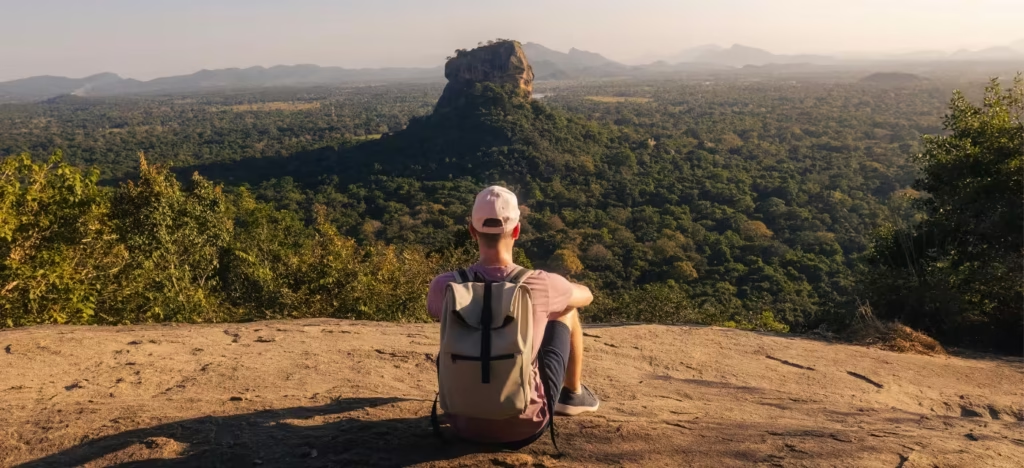
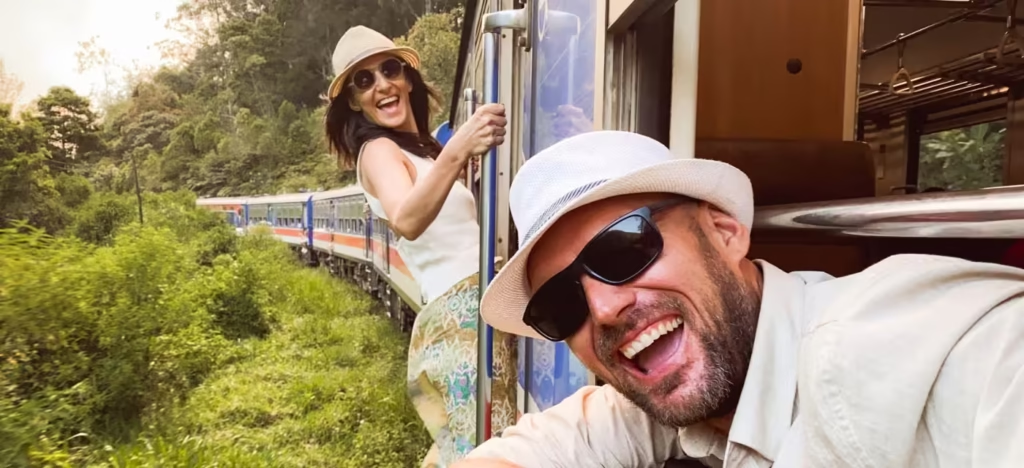
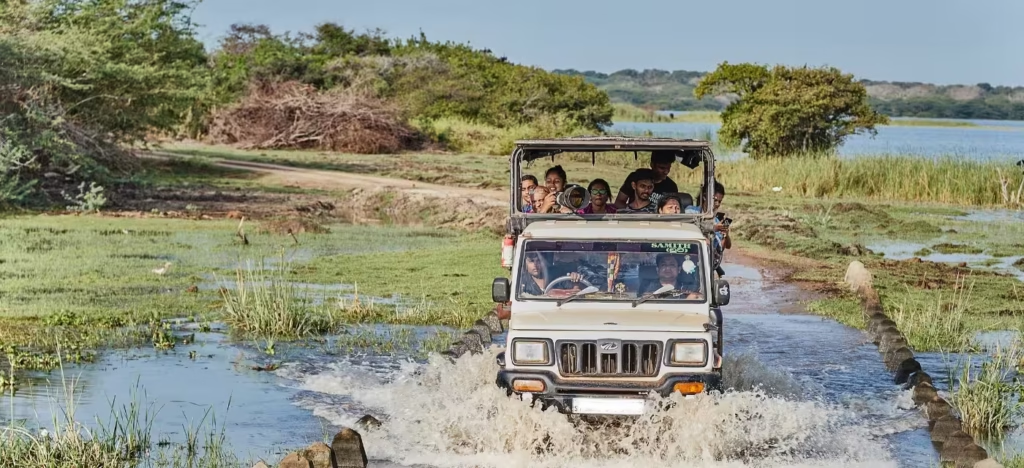
For Travellers
What is the best time of year to visit Sri Lanka?
Sri Lanka has two monsoon systems, so timing depends on region: the west and south coasts plus the hill country are best December–March, while the east coast (Trincomalee, Arugam Bay) is best May–September. This means Sri Lanka is effectively a year-round destination if you choose the right region.
Can I combine Sri Lanka and the Maldives in one trip?
Yes, this is one of the most popular combinations — a cultural and wildlife-focused stay in Sri Lanka paired with a relaxing beach/overwater villa stint in the Maldives, connected by a short flight. A typical combined itinerary runs 10–14 days to do both justice.
Do I need a visa for Sri Lanka or the Maldives?
Sri Lanka requires an Electronic Travel Authorization (ETA) for most nationalities, applied for online before arrival, while the Maldives generally issues a free 30-day visa on arrival for tourists. Requirements can change, so it’s worth confirming current rules for your passport before departure.
What are the must-see highlights in Sri Lanka?
Sigiriya Rock Fortress, the Cultural Triangle (Kandy, Polonnaruwa, Anuradhapura), tea country in Nuwara Eliya, and wildlife safaris in Yala National Park (leopards, elephants) are the classic highlights. A well-paced circuit combining culture, hill country and a short coastal or safari stay typically runs 8–10 days.
What wildlife can I see in Sri Lanka?
Yala and Wilpattu National Parks offer leopard and elephant sightings among the best in Asia, while Mirissa and the south coast are known for whale watching (blue whales, in season). These can be worked into a broader cultural-plus-wildlife itinerary.
How many days should I plan for Sri Lanka alone?
7–10 days covers a well-rounded circuit — Cultural Triangle, hill country, and a coastal or safari extension — without excessive daily travel. Shorter 5-day trips are possible focusing on just the Cultural Triangle and Kandy.
What currency should I carry for Sri Lanka and the Maldives?
Sri Lanka uses the Sri Lankan Rupee (LKR), widely available via ATMs in cities and tourist areas; the Maldives largely operates on US Dollars for resort transactions, alongside the local Rufiyaa, so USD cash and cards are both useful. Confirm with your resort what currencies and cards they accept, as this varies.
Can my Sri Lanka & Maldives itinerary be fully customised?
Yes — itineraries can be tailor-made to balance culture, wildlife and beach time exactly how you want, alongside curated resort selections in the Maldives suited to your budget and travel style. Submit your preferences through the Customise Your Trip page for a personalised proposal.
For Partners (Travel Agents & Tour Operators)
Does Le Passage to India operate its own ground offices in Sri Lanka and the Maldives?
Yes, the company operates offices in both Sri Lanka and the Maldives as part of its regional network, giving partner agencies direct, accountable ground handling rather than relying on layered local sub-agents. This supports consistent quality across cultural, safari and beach-resort products.
Can partners book combined Sri Lanka–Maldives itineraries through one DMC relationship?
Yes — since both destinations are operated under the same regional network, partners can contract a single combined itinerary (culture and wildlife in Sri Lanka, resort time in the Maldives) rather than managing two separate suppliers. This simplifies logistics around the connecting flight between the two.
Can Le Passage to India handle wildlife safari bookings in Sri Lanka for partner clients?
Yes, safari logistics in parks like Yala and Wilpattu — including park permits, licensed jeep operators and guide arrangements — are handled as part of the Sri Lanka product range. This can be combined with cultural or coastal segments in the same itinerary.
Does Le Passage to India support MICE and incentive groups in Sri Lanka or the Maldives?
Yes, MICE and incentive capabilities extend to both destinations, covering venue sourcing, resort buyouts for the Maldives, and cultural or team-building experiences in Sri Lanka. This is coordinated alongside the standard leisure FIT and group desks.
Can Sri Lanka and the Maldives be combined with India in a single multi-country partner booking?
Yes — Le Passage to India’s network spans India, Nepal, Bhutan, and Sri Lanka & Maldives, so partners can build multi-country South Asian itineraries (for example, Kerala plus Sri Lanka plus Maldives) through one DMC relationship. This reduces the number of separate ground contracts a partner agency needs to manage.
What FIT and small-group products are available in Sri Lanka for partner agencies?
The product range spans FIT cultural-triangle circuits, small-group wildlife safaris, and coastal extensions, giving partner agencies flexibility across different client segments and budgets. Tailor-made itineraries can also be built around specific client interests like tea estates, whale watching or Ayurveda.
How does Le Passage to India ensure quality of guides and safari operators in Sri Lanka?
With its own Sri Lanka office, the company works with vetted local guides and licensed safari jeep operators rather than ad hoc contracting, supporting consistent service for partner-booked groups. Specific guide/operator credentials can be requested during partnership discussions.
Who do I contact to set up trade rates for Sri Lanka & Maldives products?
Use the Contact Us page and specify interest in Sri Lanka and/or Maldives products; enquiries are routed to the relevant regional team for trade rates and contracting terms. Existing India, Nepal or Bhutan trade partners can typically extend their account to add these destinations.