 English
 Deutsch
 Italia
- Home
- Destination
- India
India
Everybody should visit India at least once in their lifetime. No other country in the world can amaze like she can. The vibrant colours everywhere, the traffic and honking, the cows on the street, the smiling faces and the complete chaos – all come together to create a world brimming with contrasts, completely different from anything that you have ever seen.
Your trip to India will be challenging, yet rewarding; unexpected, yet delightful; heartbreaking yet soul-stirring; with moments up close and personal that will have the power to transform your views of the world and your place in it. One thing is certain: you won’t return back quite the same. India is simply, incredible.
Incredible India
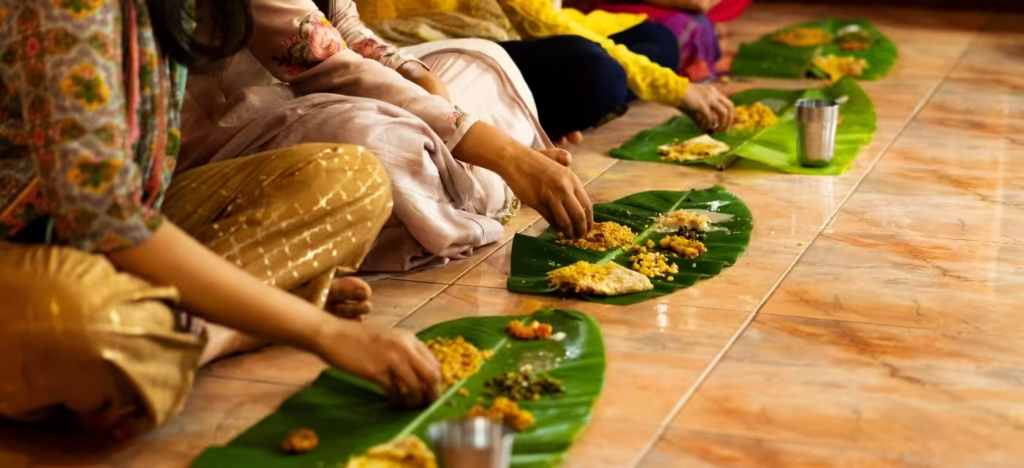
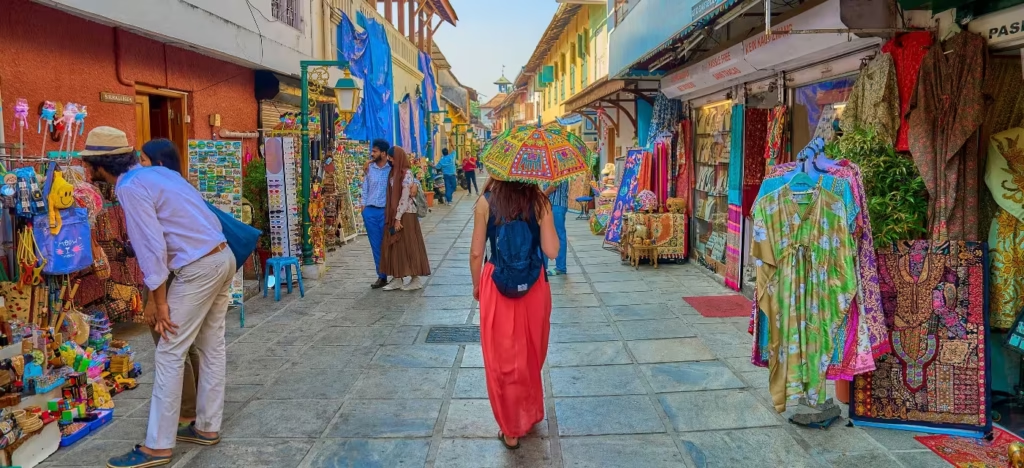
Kerala Rendezvous
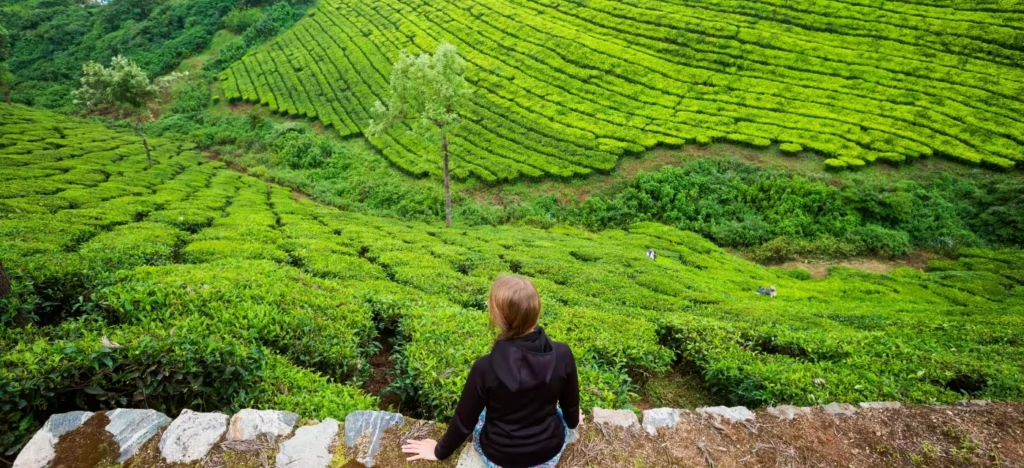
Spectacular South India
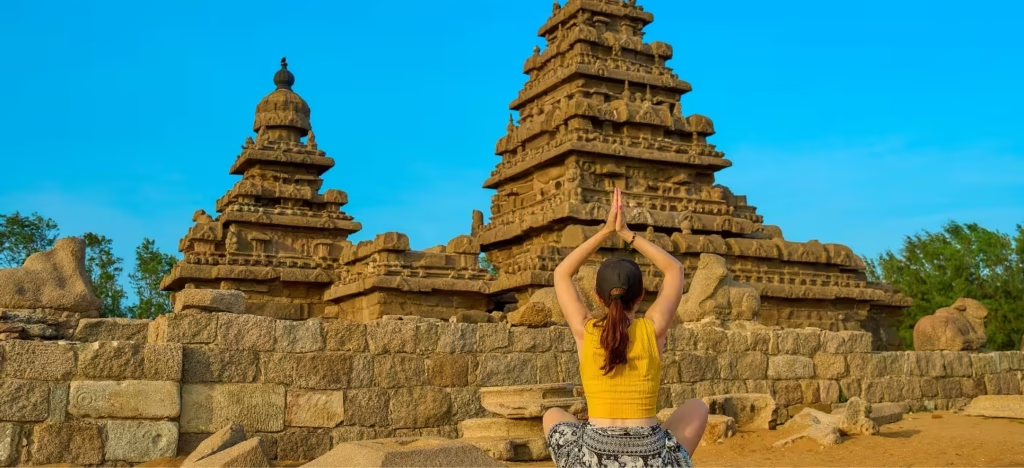
Signature South India
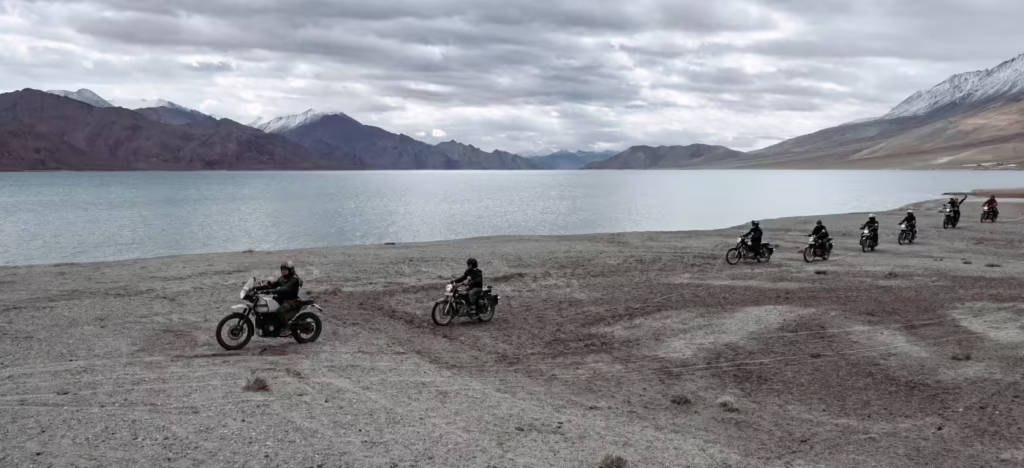


Golf, Heritage & Tiger




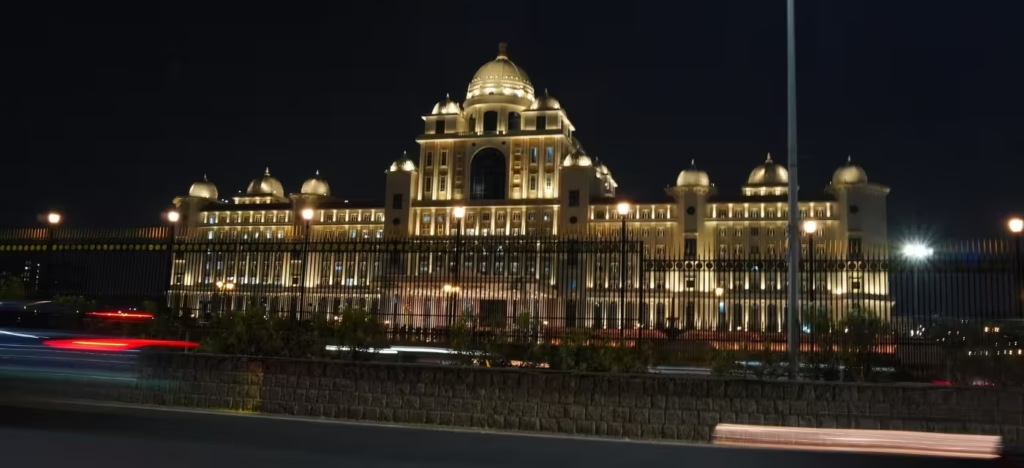
For Travellers
What is the best time of year to visit India?
October to March is ideal for most of India, with cool, dry weather across Rajasthan, Delhi, Agra and the south. The Himalayan regions (Ladakh, Kashmir) are best from May to September, while Kerala’s monsoon (June–August) suits Ayurveda and backwater trips.
Do I need a visa to travel to India?
Most nationalities need a visa, and the e-Visa (tourist, business or medical) is available online for over 165 countries, typically processed within a few days. Le Passage to India can guide you on the right category and required documents for your nationality.
Is India safe for tourists, including solo and female travellers?
India is generally safe for tourists who take standard precautions using registered guides and vehicles, avoiding isolated areas at night, and staying alert in crowded places. A DMC-arranged trip with vetted drivers, guides and accommodation significantly reduces the usual concerns first-time and solo travellers have.
What is the Golden Triangle tour and is it worth doing?
The Golden Triangle covers Delhi, Agra (Taj Mahal) and Jaipur, and remains India’s most popular introductory circuit thanks to its mix of Mughal architecture, royal heritage and manageable travel distances. It’s an excellent first trip and pairs easily with extensions to Rajasthan, Varanasi or Kerala.
How many days do I need for a first trip to India?
10–14 days is a comfortable window to cover a core circuit (such as the Golden Triangle plus Rajasthan) without rushing. Shorter 5–7 day trips work well if you’re focusing on just Delhi-Agra-Jaipur or one region like Kerala.
What vaccinations or health precautions are needed for India?
Routine vaccinations plus Hepatitis A and Typhoid are commonly recommended, and travellers should check current guidance with a travel clinic before departure since requirements vary by region and season. Drinking bottled or filtered water and eating at reputable establishments are the most important everyday precautions.
What kind of experiences can I book beyond sightseeing — wildlife, wellness, golf?
India offers jungle safaris (Ranthambore, Bandhavgarh), Ayurvedic wellness retreats in Kerala, heritage train journeys, and golf holidays at courses across Delhi NCR, Jaipur and Bangalore. A DMC like Le Passage to India can combine several of these into one seamless itinerary.
Can my itinerary be fully customised rather than a fixed group tour?
Yes — Le Passage to India specialises in tailor-made itineraries built around your interests, pace and budget, alongside a selection of guaranteed-departure group tours for travellers who prefer a fixed schedule. You can request a custom quote directly through the “Customise Your Trip” option on the website.
What is the currency in India and how should I carry money?
The Indian Rupee (INR) is the local currency; ATMs are widely available in cities and tourist areas, and major hotels/shops accept cards, though carrying some cash is useful for markets and rural areas. Currency exchange is best done at banks or authorised counters rather than informal vendors.
Can I combine India with Nepal, Bhutan, Sri Lanka or the Maldives in one trip?
Yes, itineraries can be custom-built around your available time, trekking ability and interests, alongside guaranteed-departure group options for travellers who prefer set dates. Submit your preferences via the Customise Your Trip page for a personalised proposal.
For Partners (Travel Agents & Tour Operators)
What services does Le Passage to India offer travel agents and tour operators?
As India’s premier Destination Management Company, Le Passage to India provides end-to-end ground handling — itinerary design, accommodation and transport contracting, guiding services, MICE support, and 24/7 on-ground assistance — for partners sending clients to India. This lets partner agencies focus on client relationships while operations are handled locally,plus LPTI also offers dual insurance.
How do I become a trade partner or agent with Le Passage to India?
Partners can get in touch via the Contact Us page to discuss trade rates, product access and onboarding; the company works with inbound tour operators, travel agencies and DMCs worldwide across leisure and MICE segments. Ongoing support is typically provided through a dedicated account contact once onboarded.
Does Le Passage to India offer white-label or co-branded itineraries for partner agencies?
Yes, DMC partnerships of this kind commonly include tailor-made itinerary documents that partner agencies can present under their own branding to end clients. Reach out to the partnerships team to confirm current white-label options and formats.
What makes Le Passage to India a reliable ground partner compared to other Indian DMCs?
The company has been recognised industry-wide, including being named India’s Leading Destination Management Company at the World Travel Awards, and operates its own offices across India, Nepal, Bhutan, Sri Lanka and the Maldives rather than relying solely on sub-agents. This gives partners consistent quality control and direct accountability across the region.
Can Le Passage to India handle FIT, group, and MICE bookings for our clients?
Yes — the company handles fully independent traveller (FIT) itineraries, small and large group tours, guaranteed departures, and MICE (meetings, incentives, conferences, exhibitions) programmes. Each segment is supported by dedicated operational teams familiar with that business type.
What destinations can partners book through Le Passage to India as a single DMC?
Partners can book India, Nepal, Bhutan, and Sri Lanka & Maldives through one DMC relationship, simplifying multi-country itineraries across the Indian subcontinent and Himalayas. This reduces the number of local suppliers a partner agency needs to manage.
How does Le Passage to India support partners during a crisis or on-ground emergency?
As a full-service DMC with local offices and teams across its destinations, the company provides on-ground support to manage disruptions — from weather delays to medical emergencies — so partner agencies aren’t left coordinating logistics remotely. Specific emergency protocols and contact escalation paths are shared during partner onboarding.
Does Le Passage to India work with corporate and MICE agencies specifically?
Yes, the company’s Services & Products offering covers corporate travel and MICE, including venue sourcing, event logistics and incentive programme design across India and neighbouring destinations. This is handled by teams separate from the leisure FIT/group desks.
What associations and industry bodies is Le Passage to India affiliated with?
The company is a member of multiple travel trade associations that promote sustainable growth in inbound tourism to India — details of current memberships are listed on the Associations page of the website. This trade credibility is often a useful reference point for partners evaluating a new DMC relationship.
How can I request rates, contracts, or a product presentation for my agency?
Reach out through the Contact Us page specifying that you’re a trade partner or travel agency, and the relevant regional or product team will follow up with rates, contracting terms and a product overview. Some partners also connect via trade representation offices in their home markets where such tie-ups exist.