 English
 Deutsch
 Italia
 August 19, 2026 By admin
A Persian Inheritance Parsi Cuisine
A Persian Inheritance: The Flavours and Legacy of Parsi Cuisine
SEO Metadata
Meta Title: Parsi Cuisine: A Persian Inheritance in Mumbai
Meta Description: Discover the rich heritage of Parsi cuisine, from Irani cafés and Dhansak to Patra ni Macchi, Lagan nu Custard and Navroze traditions.
Focus Keyword: Parsi cuisine
Secondary Keywords: Parsi food, Irani cafes Mumbai, Parsi dishes, Parsi cuisine history, traditional Parsi food, Parsi culture
A Persian Inheritance
Mumbai’s grand old Irani cafés have long been treasured symbols of the city’s eclectic cuisine and cosmopolitan culture. Opened largely by Parsis who migrated to India from Persia, these cafés became beloved gathering spaces for generations of Mumbaikars.
With their high ceilings, large mirrors, bentwood chairs and marble-topped tables, Irani cafés offered affordable food and a welcoming atmosphere. Mawa cake, bun maska, Irani chai, mutton samosas, kheema pav, akoori, berry pulao and vegetable puffs became much more than dishes — they became part of Mumbai’s collective memory.
Once numbering more than 500 across the city, these cafés have dwindled considerably over the decades, making their survival an important part of Mumbai’s culinary heritage.
The Persian Roots of Parsi Cuisine
The Parsis arrived in India from Persia, modern-day Iran, around the 8th century CE. Most settled along India’s western coast, particularly in Gujarat and later Mumbai.
Followers of Zarathustra, the founder of Zoroastrianism, the Parsis gradually became an integral part of Indian society while retaining elements of their Persian heritage.
Their arrival in Gujarat is remembered through the famous story of the bowl of milk and the spoonful of sugar.
According to the story, when the Persian immigrants arrived in Sanjan, the local king indicated that his kingdom was already full by presenting them with a bowl filled to the brim with milk.
The Persian leader responded by adding a spoonful of sugar to the milk without spilling a drop — symbolising that the newcomers would blend into their new home and add sweetness rather than displace what was already there.
The story beautifully represents the way Parsi culture eventually became woven into the fabric of India.
A Cuisine Born from Two Worlds
Over more than a thousand years, Parsi cuisine developed into a distinctive west-coast Indian culinary tradition.
It retained Persian techniques and flavours while embracing local Indian ingredients, spices and cooking traditions.
The result is a cuisine influenced by:
- Ancient Persian cooking
- Gujarati food traditions
- Indian spices
- Portuguese influences
- British culinary traditions
- Local coastal seafood
This cultural blending is what gives Parsi cuisine its remarkable character.
A traditional Parsi meal is, quite literally, a slice of history served on a plate.
The Magic of Khattu Mithu
One of the defining characteristics of Parsi cuisine is its distinctive sweet-and-sour balance, known as khattu mithu.
Vinegar, sugar and jaggery are often used together to create a delicate contrast between acidity and sweetness.
Patio, a Parsi tomato-based curry, and kheemo, made with minced meat, showcase this characteristic combination.
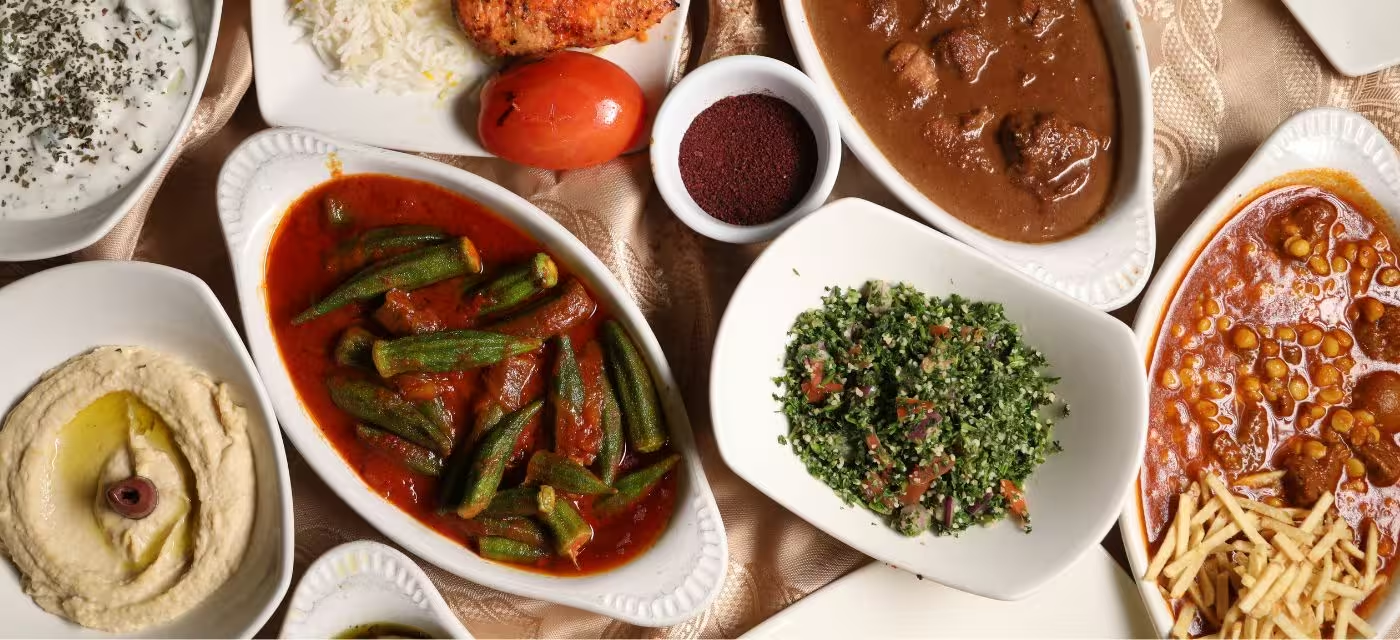
Another example is Vengna no Patio, a sweet-and-sour preparation of okra flavoured with Parsi vinegar and finished with coriander.
This distinctive flavour profile is one of the easiest ways to recognise the Persian and Gujarati influences that have shaped Parsi cooking.
Eggs: An Essential Part of Parsi Food
Parsis have a particular fondness for eggs, known as eeda or edo.
Eggs frequently appear on top of vegetable preparations made with ingredients such as okra, tomatoes and potatoes.
One of the most beloved breakfast dishes is Akoori, a richly spiced preparation of scrambled eggs.
Another comfort food favourite is Papeta Per Endu, a Parsi-style potato and pea frittata.
Eggs also carry symbolic significance in Parsi culinary traditions, where they are associated with fertility.
Dhansak: A Parsi Classic
Few dishes represent Parsi cuisine as completely as Dhansak.
Traditionally served as a special Sunday lunch, Dhansak combines lentils, meat and vegetables and is accompanied by caramelised, spiced rice.
It perfectly demonstrates the way Parsi cuisine brings together Indian ingredients and Persian culinary techniques.
The result is hearty, aromatic and deeply satisfying.
Seafood from the Konkan Coast
Because many Parsis settled along India’s western coast, seafood naturally became an important part of their cuisine.
Prawns and pomfret appear in numerous traditional preparations.
Among the best-known dishes is Patra ni Macchi — pomfret coated with green chutney, wrapped in banana leaf and cooked until tender.
Other favourites include:
- Saas ni Macchi – fish cooked in an egg-and-vinegar-based white curry
- Mamaiji’s Prawn Red Curry
- Sukha Boomla Achar – a dried seafood pickle
The use of banana leaves and local seafood illustrates how successfully Parsi cooks incorporated the ingredients of their new coastal home into their ancestral culinary traditions.
Persian Influence: Fruit, Nuts and Meat
The Persian influence becomes particularly apparent in the use of dried fruits, fresh fruits and nuts.
Apricots, raisins, pistachios, almonds, pomegranates and bananas can all find their way into Parsi dishes.
This reflects a broader Persian culinary tradition in which fruits, herbs and nuts are combined with meat and rice.
One famous example is Jardaloo Sali Boti, a lamb preparation featuring apricots.
Chicken dishes such as Marghi na Farcha and Salli ma Marghi are also popular, with the latter combining chicken in tomato gravy with crispy salli — matchstick-style fried potatoes.
Kachumber and Parsi Pickles
A traditional Parsi meal may also feature kachumber, a simple salad of chopped onions, cucumber, tomatoes, green chillies and coriander.
It is dressed with vinegar or lemon and provides a refreshing contrast to richer dishes.
The Gujarati love of pickles has also found its way into Parsi cuisine.
Some traditional varieties include:
- Methia nu Achaar
- Lagan nu Achaar
- Gajar Mewa nu Achaar
- Bafenu
- Dry Bombay Duck Pickle
Snacks from the Parsi Kitchen
Parsi cuisine offers an appealing range of savoury snacks and tea-time treats.
These include patrel, made from colocasia leaves layered with a sweet, spicy and sour paste; bakhra, a fried scone-like preparation; batasa, buttery tea biscuits; and khaman na ladva, dumplings filled with sweetened coconut.
These dishes reflect the community’s love of food that is comforting, flavourful and perfect for sharing.
Parsi Desserts: A Sweet Ending
Parsi cuisine has no shortage of elaborate desserts.
Traditional favourites include:
- Dal ni Pori
- Vasanu
- Malido
- Doodh na Puff
- Ravo
- Kopra Pak
- Ghari Kajoor ni
- Kumas
- Sadhnas
- Doodhi nu Murabo
Yet among the most beloved are puddings and custards.
Lagan nu Custard, traditionally associated with Parsi weddings, is a particularly famous dessert. A rich custard enhanced with dried fruits, it demonstrates the influence of British culinary traditions on Parsi food.
Irani Cafés: The Soul of Mumbai
Food is only one part of the Parsi culinary story.
The Irani café became a cultural institution in Mumbai — a place where people could sit, eat, talk and spend time together.
The familiar combination of marble tables, bentwood chairs, glass mirrors and high ceilings created a distinctive atmosphere.
For generations of Mumbaikars, dishes such as bun maska, Irani chai and Mawa cake became inseparable from the experience.
Today, with only a fraction of the city’s historic Irani cafés remaining, these establishments represent an important part of Mumbai’s culinary and social heritage.
Navroze: Food, Family and Celebration
Food occupies a central place in Parsi celebrations, particularly during Navroze, the Zoroastrian New Year.
The community also comes together during the six annual feasts known as ghambaars.
These occasions are about far more than eating. They are opportunities for families and communities to gather, share memories, celebrate traditions and enjoy each other’s company.
A lavish meal becomes an expression of hospitality, heritage and togetherness.
Good Thoughts, Good Words, Good Deeds
The ancient Prophet Zarathustra taught a simple philosophy for living a pure and meaningful life:
Good Thoughts, Good Words and Good Deeds.
Over centuries, the Parsi community has preserved this philosophy while creating a remarkable culinary legacy in India.
From the Persian flavours of dried fruits and nuts to the Gujarati love of sweet-and-sour flavours, from coastal seafood to British-inspired desserts, Parsi cuisine is a story of migration, adaptation and cultural exchange.
And perhaps that is what makes it so special.
Parsi food is not simply a cuisine. It is history, heritage and hospitality — served with a generous helping of sweetness.
Related Posts